If you’ve been scrolling through TikTok comments, Snapchat chats, or Instagram captions lately, you may have seen people writing “ONG” and wondered what on earth it means. At first glance, it might look like a typo for “OMG,” but it’s actually a completely different slang term that carries its own strong meaning in online conversations.
Internet slang changes quickly, and “ONG” is one of those expressions that has become popular among younger users, especially in casual texting and social media culture. In this guide, we’ll break down exactly what “ONG” means, where it comes from, how people use it, and how you can use it naturally without sounding confused or out of place.
Let’s get into it.
What Does ONG Mean in Text?
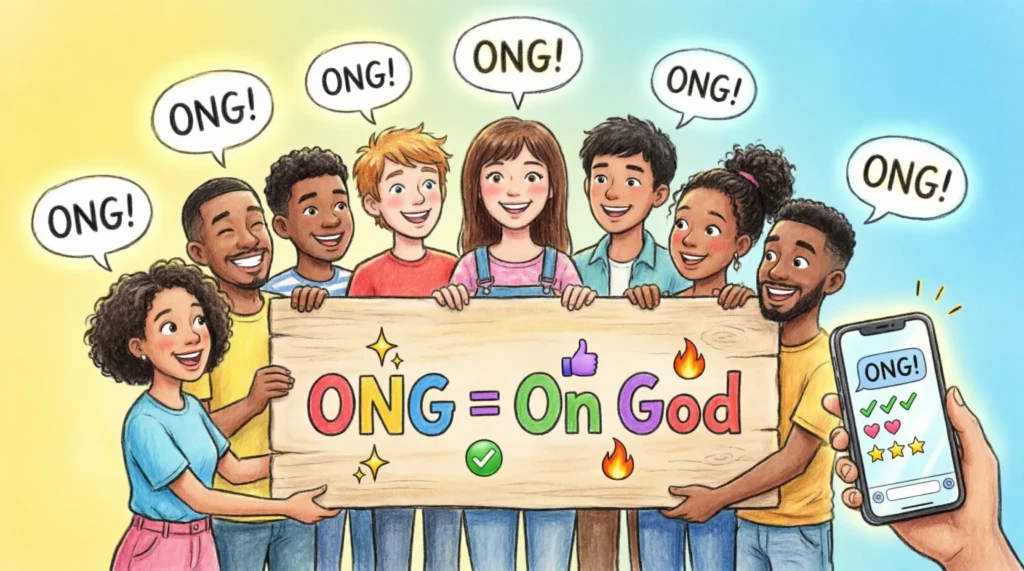
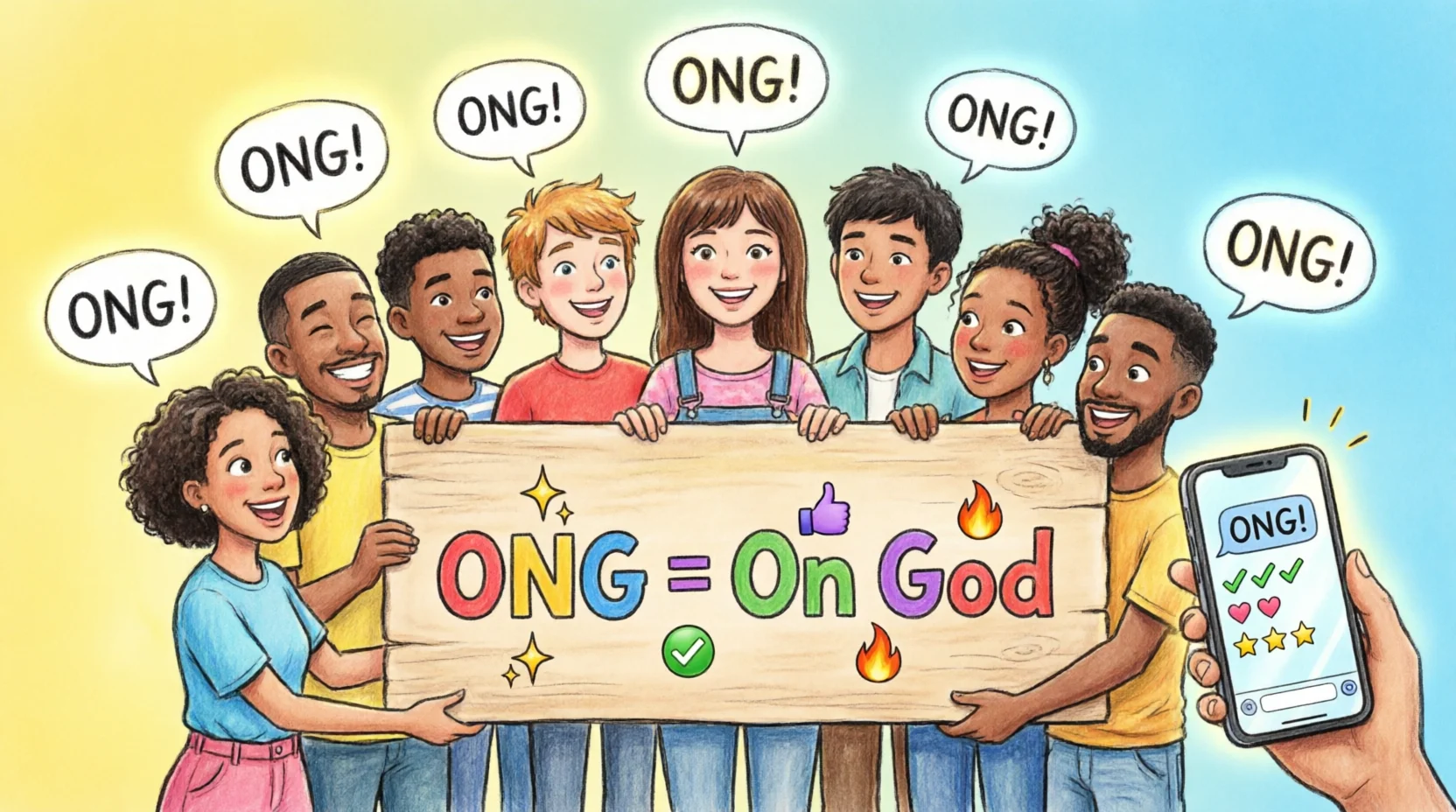
“ONG” stands for “On God.”
It is used to emphasize that someone is being completely serious, honest, or truthful about what they are saying.
In simple words, when someone writes “ONG,” they are basically saying:
- “I swear this is true”
- “I’m being 100% honest”
- “I’m not lying”
- “I promise this is real”
It’s a strong way of stressing sincerity in casual conversation.
Simple Meaning of ONG
Think of “ONG” as a modern, slang version of:
- “I swear to God”
- “Honestly”
- “For real”
- “No cap”
But instead of typing a full sentence, people shorten it to just three letters: ONG.
So if someone says:
“That was the best movie ever, ONG”
They mean:
“That was really the best movie ever, I’m not exaggerating.”
Where Did ONG Come From?
“On God” originally comes from African American Vernacular English (AAVE), where people used the phrase to strongly emphasize truth or sincerity.
Over time, as social media platforms like TikTok and Twitter (now X) grew, the phrase was shortened into “ONG” to make texting faster and more casual.
This is a common pattern in internet language:
long phrase → slang version → abbreviation
For example:
- “Laughing out loud” → LOL
- “For real” → FR
- “No cap” → NC / cap slang variations
- “On God” → ONG
How ONG Is Used in Real Conversations
To really understand slang, examples matter more than definitions. Let’s look at how people actually use “ONG” in everyday texting and social media posts.
1. Expressing Truth or Honesty
Friend: “Did you really finish all your homework in one hour?”
You: “Yeah ONG, I did.”
👉 Meaning: You’re confirming that you’re telling the truth.
2. Emphasizing a Strong Opinion
“I love this song, ONG it’s stuck in my head.”
👉 Meaning: You really, strongly love the song.
3. Reacting to Something Crazy or Unexpected
“That fight was wild, ONG.”
👉 Meaning: You’re stressing how shocking or intense it was.
4. Supporting a Statement
“He’s the best player in the team, ONG.”
👉 Meaning: You strongly believe what you’re saying is true.
5. Emotional or Dramatic Reactions
“This movie made me cry, ONG 😭”
👉 Meaning: You are emphasizing your emotional reaction.
ONG vs OMG: Common Confusion
One of the biggest misunderstandings happens between “ONG” and “OMG.”
They look similar, but they are completely different.
OMG = “Oh My God”
Used to express:
- surprise
- shock
- excitement
- fear
Example:
“OMG, I can’t believe this happened!”
ONG = “On God”
Used to express:
- truth
- honesty
- seriousness
- strong emphasis
Example:
“That was the best day ever, ONG.”
Easy Way to Remember:
- OMG = emotion
- ONG = truth
ONG vs Other Popular Slang
To fully understand “ONG,” it helps to compare it with similar slang terms used online.
ONG vs FR (For Real)
- FR = agreement or confirmation
- ONG = stronger emphasis on truth
Example:
- “That was crazy FR” (agreement)
- “That was crazy ONG” (serious truth emphasis)
ONG vs No Cap
Both mean honesty, but:
- “No cap” = casual slang for “no lie”
- “ONG” = stronger, more emotional emphasis
Example:
- “This food is good, no cap”
- “This food is good, ONG” (stronger feeling)
ONG vs I Swear
- “I swear” is more traditional English
- “ONG” is modern internet slang
They mean the same thing, but ONG feels more casual and digital.
Tone Matters When Using ONG
Like many slang terms, “ONG” changes meaning slightly depending on tone.
Let’s break it down:
Serious tone:
“I need to pass this exam, ONG.”
👉 You are very serious.
Casual tone:
“That game was fun ONG.”
👉 Light emphasis, friendly vibe.
Emotional tone:
“I miss those days ONG 😔”
👉 Strong emotional expression.
Dramatic tone:
“That was the worst day ever ONG.”
👉 Strong frustration or exaggeration.
Where You’ll See ONG Most Often
“ONG” is not used in formal writing. It mostly appears in:
1. TikTok Comments
People react quickly to videos:
“This is too real ONG”
2. Snapchat Chats
Used in casual conversations with friends:
“I’m tired ONG”
3. Instagram Captions
To emphasize personal feelings:
“Best night ever ONG”
4. Twitter (X)
Used in opinions and reactions:
“This update is terrible ONG”
Why People Use ONG Instead of Writing Full Sentences
There are a few reasons why slang like “ONG” became popular:
1. Speed
Typing three letters is faster than writing a full sentence.
2. Style
Slang makes messages feel more modern and expressive.
3. Social Identity
Using slang helps people feel part of online communities.
4. Emotional Impact
Short slang often feels stronger than formal language.
Misunderstandings About ONG
Because slang evolves quickly, “ONG” is sometimes misunderstood.
Mistake 1: Thinking It Means “OMG”
They look similar, but they are unrelated.
Mistake 2: Using It in Formal Situations
Using “ONG” in professional emails or academic writing is not appropriate.
Mistake 3: Overusing It
Using slang too often can make messages harder to understand.
Is ONG Still Popular in 2026?
Yes, “ONG” is still widely used in 2026, especially among:
- Teenagers
- TikTok users
- Social media influencers
- Casual online communities
However, like all slang, its popularity may slowly evolve or be replaced by newer terms in the future.
Real-Life Conversation Examples
Here are more natural conversations so you can see how “ONG” fits into everyday texting.
Example 1: Food Reaction
Friend: “This pizza is amazing!”
You: “ONG it looks so good 😭”
Example 2: School Stress
Friend: “Exams are killing me.”
You: “ONG same, I can’t even sleep”
Example 3: Funny Moment
Friend: “I just fell in front of everyone.”
You: “No way ONG 😂”
Example 4: Music Opinion
Friend: “This song is a vibe.”
You: “ONG I’ve been replaying it all day”
Example 5: Life Statement
Friend: “I need a vacation.”
You: “ONG I feel that”
How to Use ONG Naturally
If you want to use “ONG” like a native internet user, here are a few tips:
1. Use it casually
Don’t force it into every sentence.
2. Match the emotion
Use it when you genuinely want to emphasize something.
3. Don’t use it formally
Keep it for friends and social media.
4. Pair it with emojis
Emojis help show tone clearly.
Example:
- “That was crazy ONG 😭🔥”
Cultural Impact of ONG
Slang like “ONG” shows how language is evolving online. Instead of long explanations, people prefer short, expressive phrases that carry emotional weight.
It also shows how internet communities influence language globally. A phrase that started in spoken dialects is now used worldwide in digital conversations.
Final Thoughts
“ONG” is a simple but powerful slang term meaning “On God,” used to emphasize truth, honesty, or strong emotion in casual conversation. Whether someone is expressing excitement, frustration, disbelief, or sincerity, this short abbreviation helps make their message more impactful.
Understanding slang like “ONG” is not just about learning internet language—it’s about understanding how people communicate in modern digital spaces. Once you get used to it, you’ll start noticing it everywhere in chats, comments, and social media posts.
Now that you know what it means, you won’t be confused the next time someone says something like “That was insane ONG.”
descover more post
179+ Frog Puns That Will Toad-ally Make You Laugh 2026
147+ Apricot Puns That Will Make You Smile and Giggle 2026
What Does HML Mean in Text Real Meaning Examples 2026
Author

Rose combines her love of creative writing with professional SEO and digital content expertise to produce articles that are both user-friendly and optimized for search engines. She works hard every day to ensure that PunsMood.com provides high-quality, well-structured, and enjoyable content that readers can easily find and share.